There’s something about keeping the fade low that makes a haircut look clean without making it feel overly aggressive. Instead of taking the sides high and creating a dramatic contrast, these styles keep most of the natural shape of the head intact. That gives you more room to play with curls, waves, an afro, texture, or even a simple natural top.
And honestly, that’s probably why low fades and tapers continue to be so popular. They can look sharp enough for a special occasion, but they’re also easy enough to wear every day.
From low fade curls and waves to skin fades, afros, beard combinations, and subtle tapers, there’s a version for almost every hair type and personal style.
Read Also : 15 Best Boys’ Haircuts That Look Stylish, Neat, and Easy to Manage
1. Low Fade Design
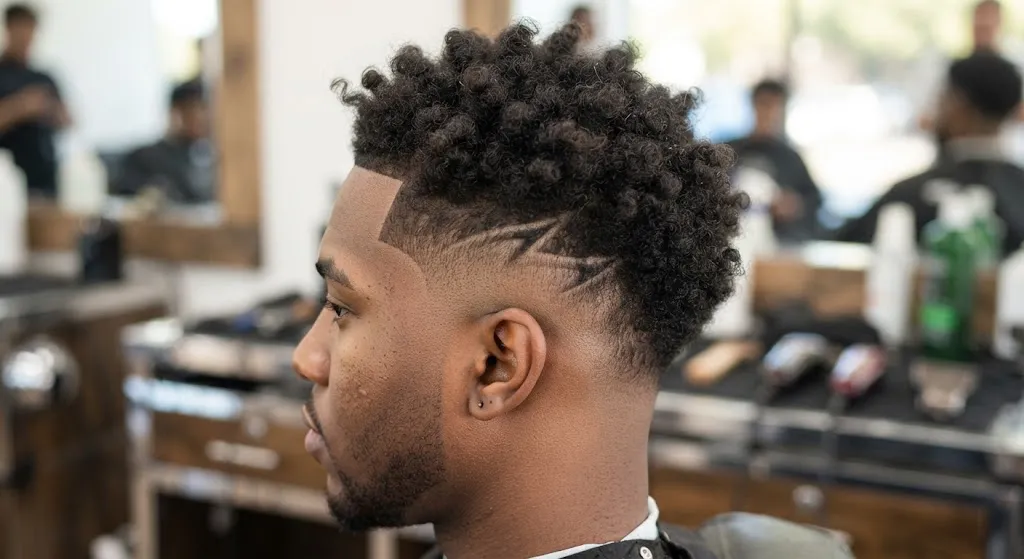
A low fade is already a clean haircut, but adding a simple design to the side takes it to another level.
What catches your attention here isn’t just the fade. It’s the sharp design cut into the side. Because the design sits above the fade rather than disappearing deep into it, it becomes a noticeable detail without completely taking over the haircut.
The fade stays low and tight around the ear, while the top keeps enough height to balance everything out. That combination is important. If the top is cut too short, the design can make the haircut feel overly busy. Leaving some natural height gives the style a much more balanced appearance.
This is a great choice if you want something bold but don’t necessarily want an extreme haircut.
You can also change the design depending on your personality. A simple straight line keeps things understated, while a lightning-style slash gives the haircut more attitude.
How to ask your barber
Ask for a low fade with a natural-length top. Then show your barber the exact type of side design you want. Tell them to keep the design clean and positioned above the fade rather than cutting too deeply into the blend.
2. Low Fade Curls
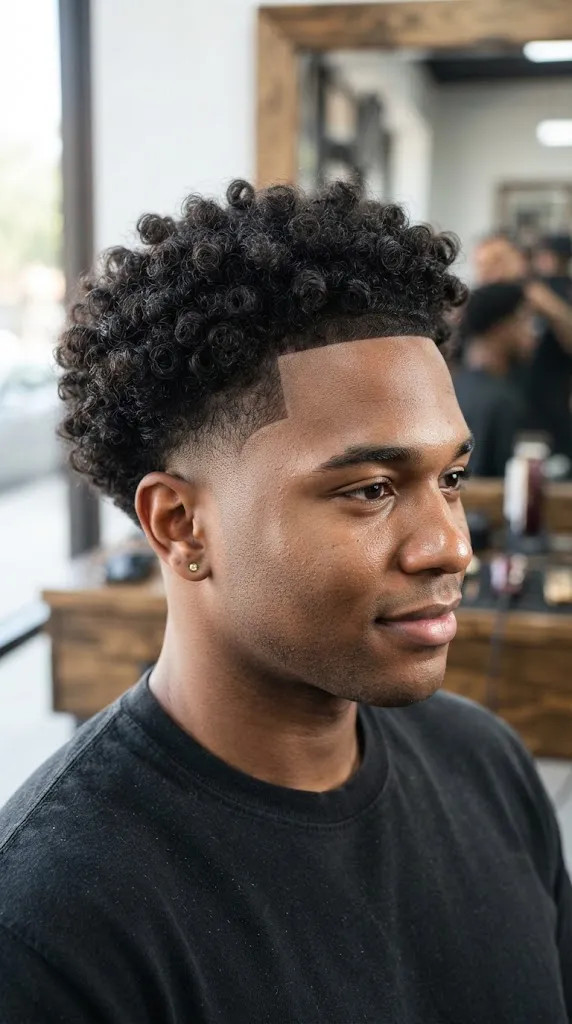
Curly hair and a low fade make a particularly good combination because the haircut creates contrast without taking away the personality of the curls.
The clean hairline immediately draws attention to the softer, fuller texture on top. Instead of fading high into the temples, the cut drops low around the sides, allowing the curls to remain the main feature.
That makes this style feel modern without looking like you’re trying too hard.
The top needs enough length to maintain its curl pattern. Cutting it too short can make the curls lose their definition and leave the entire haircut looking flatter than intended.
A lightly squared or natural lineup can add some extra sharpness, but it’s usually better not to push the hairline too far back.
How to ask your barber
Tell your barber you want a low fade that stays below the temple, a clean but natural lineup, and enough length on top for the curls to remain defined.
3. Low Fade Beard
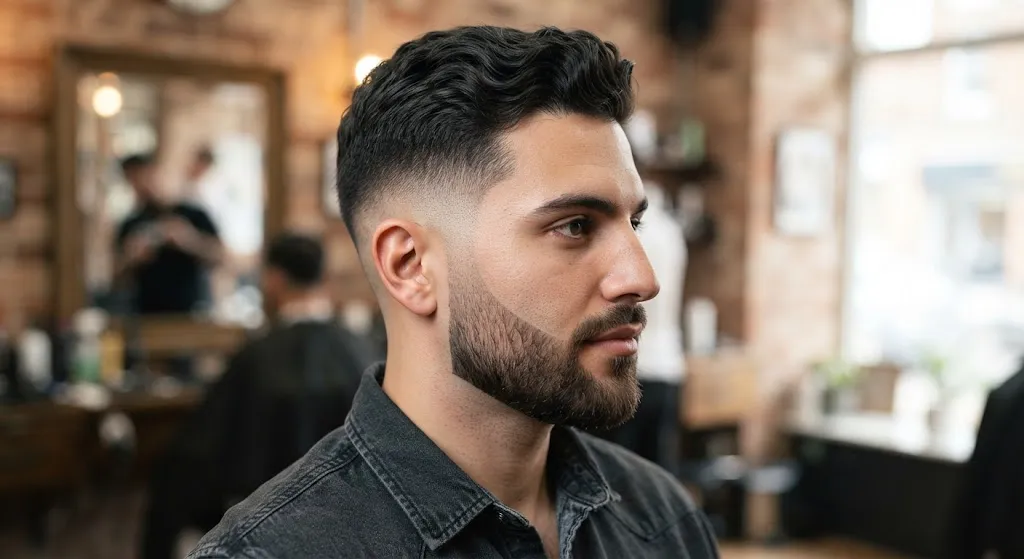
If you like your haircut to have a little more weight and structure, combining a low fade with a beard is a great option.
The key detail here is the connection between the haircut and the beard.
The fade stays low and tight, while the beard is blended smoothly into the sideburn area. Instead of having an obvious stopping point between the haircut and facial hair, everything flows together.
That small detail makes a big difference.
A squared lineup gives the haircut structure, while the beard adds balance around the lower half of the face. The result is a mature, confident style that still feels current.
It’s especially useful for anyone who wants a haircut that looks equally appropriate in a casual setting, at work, or when dressed up.
How to ask your barber
Ask for a low fade with a clean squared lineup and a smooth beard blend. Make sure the barber doesn’t take the fade too high around the temples.
4. Low Fade Waves
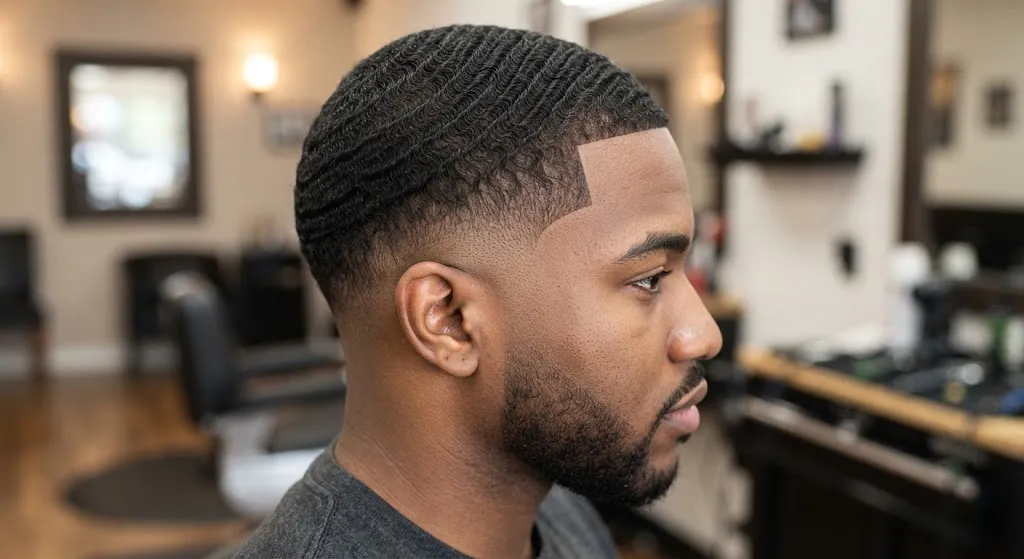
For anyone who has put time into developing their waves, the last thing you want is a fade that cuts too high and interrupts the pattern.
That’s exactly why the low fade works so well with waves.
The fade stays low around the ear, leaving the wave pattern on top intact and clearly visible. The haircut looks tight around the edges while the top continues to show the work that went into creating the waves.
It’s a clean combination of grooming and texture.
The best versions of this haircut don’t overdo the fade. The goal is to create a neat outline around the wave pattern rather than competing with it.
How to ask your barber
Ask for a low fade that protects the wave pattern, with the top kept even and brushed. Tell your barber not to take the fade too high into the wave area.
5. Low Taper Curls
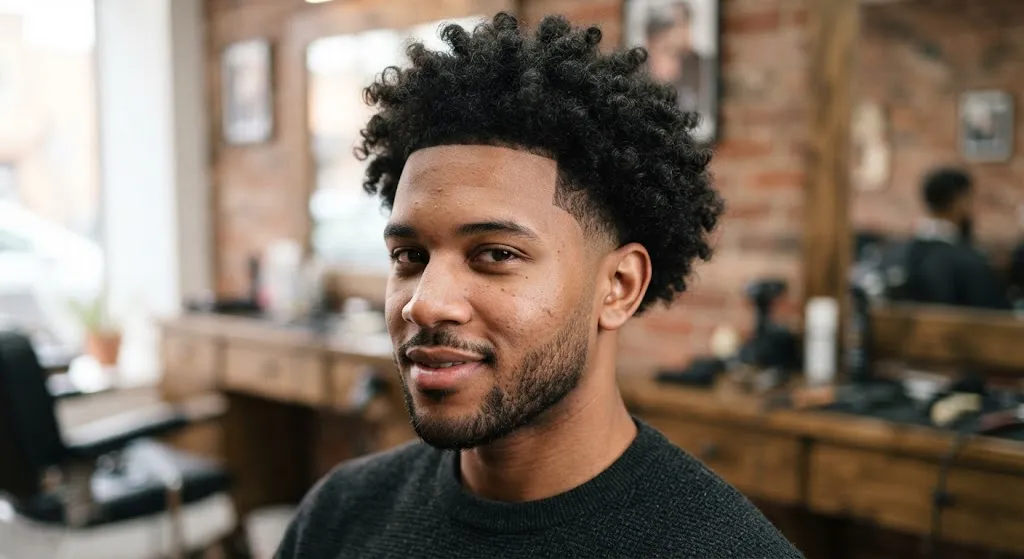
Sometimes you don’t need a dramatic fade at all.
A low taper can give you the clean edges you want while allowing the natural texture on top to remain the star of the haircut.
This style is a good example of that balance. The taper stays low around the ear, while the curls keep their fullness and shape. Instead of flattening the hair or removing too much volume, the haircut simply cleans up the areas that need it.
That makes the style feel polished without losing its natural character.
The lineup should also be handled carefully. A lineup that gets pushed too far back can change the entire appearance of the haircut, especially when the goal is to keep things natural.
How to ask your barber
Tell your barber you want a subtle low taper, a natural front lineup, and enough curl length to maintain volume. Ask for a light beard blend if you have facial hair.
6. Subtle Low Taper
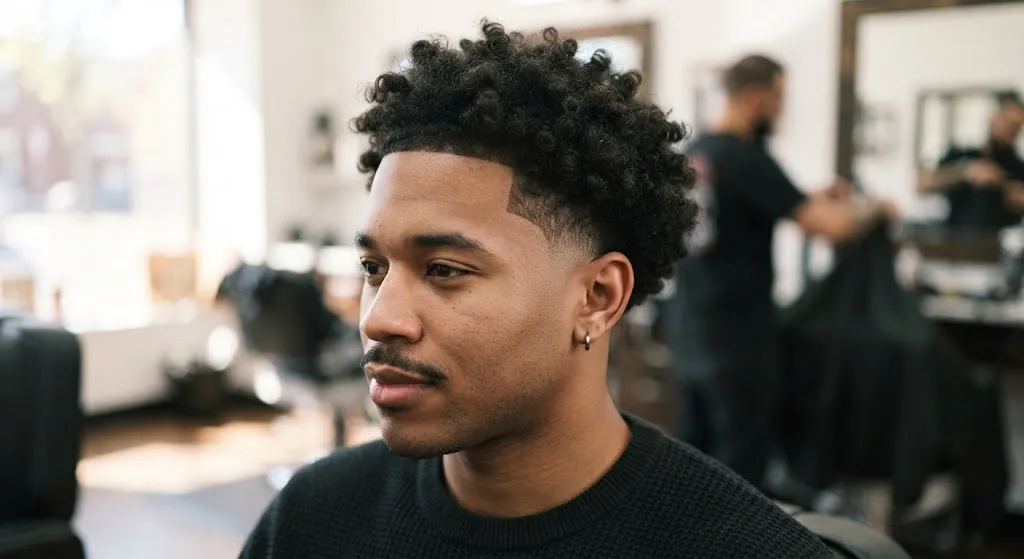
Not every great haircut needs to announce itself from across the room.
The subtle low taper is proof of that.
This is the kind of haircut that works because it’s understated. The taper sits quietly around the ears and temples, creating a clean appearance while leaving the natural shape and texture of the hair mostly untouched.
That makes it a particularly practical option for school, work, interviews, or anyone who simply prefers a haircut that grows out naturally.
There’s also less pressure to constantly maintain an extremely sharp fade. Because the sides aren’t taken down dramatically, the haircut can continue looking good as it grows.
How to ask your barber
Ask for a soft low taper with a natural lineup. Tell your barber to keep some weight on the sides and avoid making the taper too aggressive.
7. Low Drop Fade
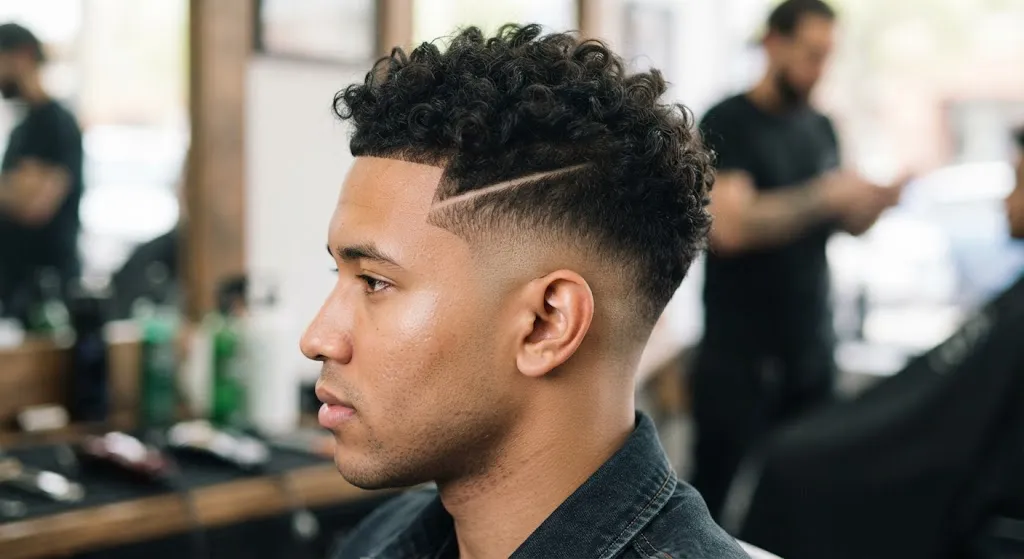
The low drop fade adds an interesting shape to a classic low fade.
Instead of creating a straight horizontal transition around the head, the fade follows the natural curve of the skull and drops slightly toward the back.
That small change gives the haircut more dimension.
From the front, it still looks clean and controlled. From the side and back, however, the drop becomes more noticeable and gives the haircut a more deliberate shape.
A short textured or curly top works particularly well with this style. You can also add a small side slash if you want a little extra personality without turning the haircut into a full design.
How to ask your barber
Ask for a low drop fade with a short textured top. If you want a design, tell the barber to keep it above the fade so it doesn’t interfere with the blend.
8. Low Taper Shape
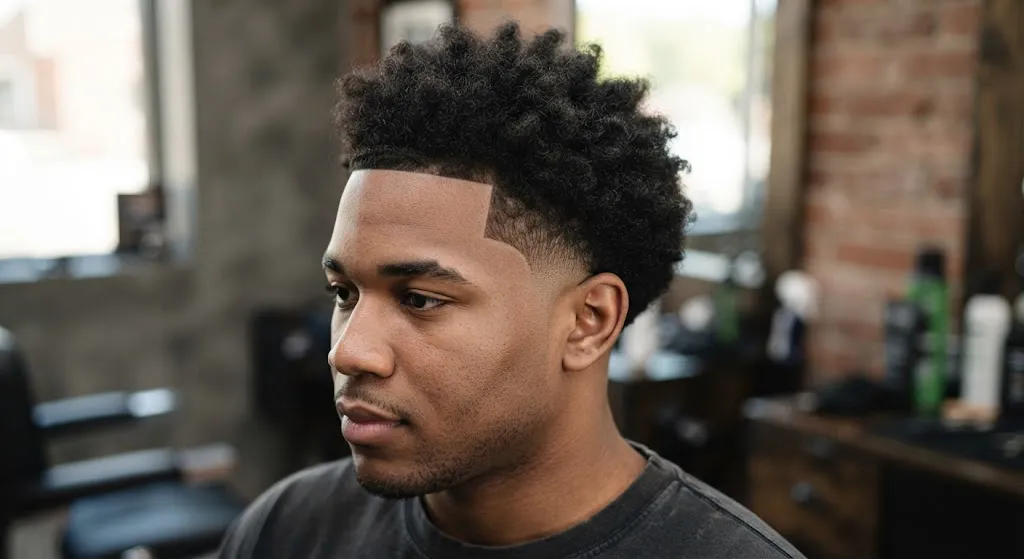
There’s something timeless about a haircut that simply has a great shape.
The low taper shape keeps the sides neat while allowing the top to retain its natural height. It doesn’t depend on a dramatic fade or complicated design to look good.
Instead, the focus is on proportion.
The top has enough volume to give the haircut presence, while the low taper cleans up the temples and around the ears. The result is sharp but believable — the kind of haircut that doesn’t look out of place anywhere.
This is a particularly good option if you want something modern but don’t want your haircut to look overly styled.
How to ask your barber
Ask for a low taper with a crisp but natural lineup. Make it clear that you want the sides blended without taking the fade too high.
9. Low Bald Fade
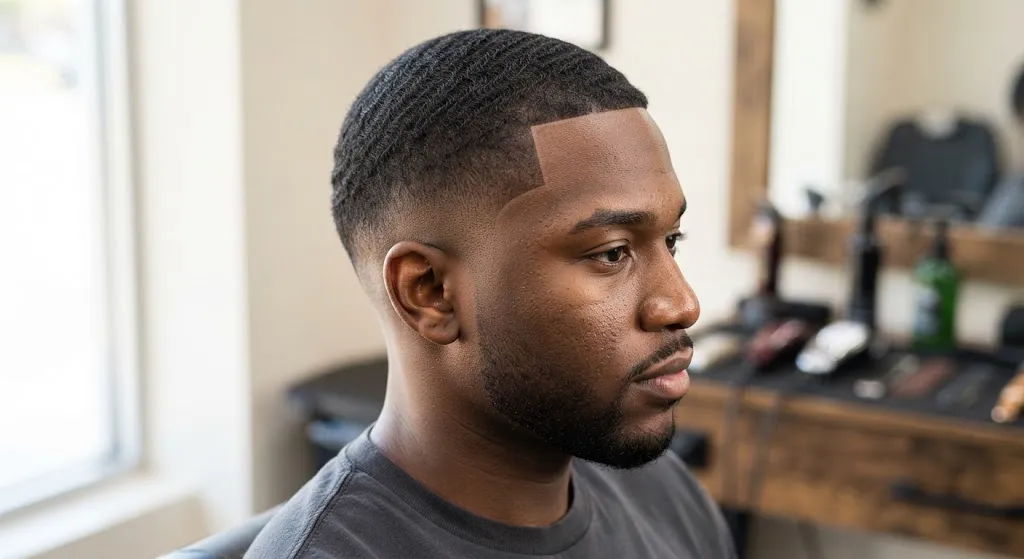
The low bald fade takes the clean appearance of a low fade and pushes the bottom section all the way down to the skin.
The trick is keeping it low.
When a bald fade climbs too high, the contrast can become extremely strong and dramatically change the shape of the head. Keeping the bald portion around the lower sides and ears gives you the clean finish without making the entire haircut feel shaved.
Short waves or a closely textured top work especially well here because they create a controlled transition between the skin and the hair.
This is a strong choice if you like precise barbering and want a haircut that looks fresh immediately after leaving the shop.
How to ask your barber
Ask for a low bald fade that stays close to the ear, with the top kept even. A crisp lineup can finish the look, but avoid pushing the corners backward.
10. Low Skin Fade
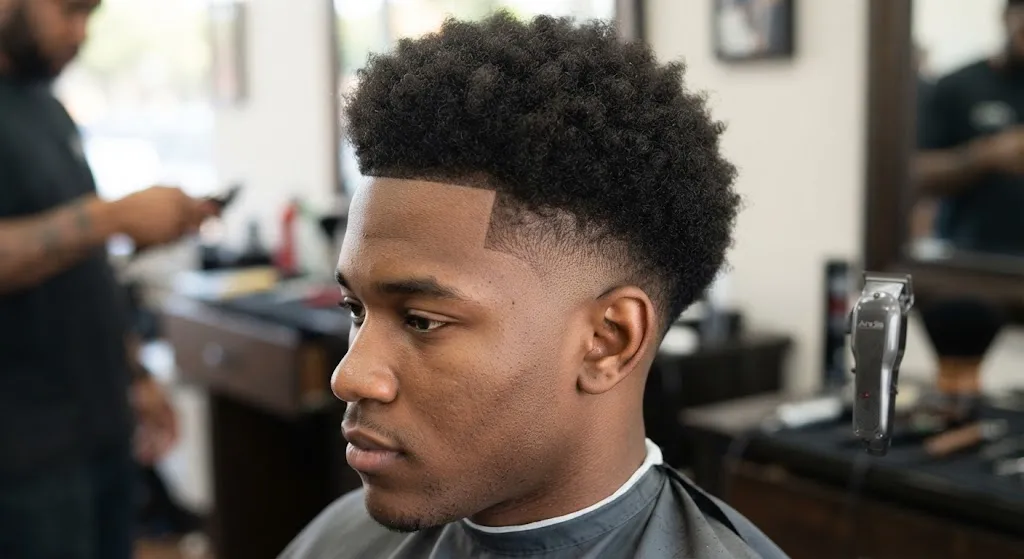
The low skin fade is another option for anyone who wants maximum cleanliness without sacrificing the shape of their natural hair.
The fade blends all the way into the skin at the bottom, but it stays low enough that the top remains the dominant feature.
A short afro or compact natural texture looks especially good with this approach. The contrast between the clean sides and textured top gives the haircut a masculine, polished appearance.
It’s also a fairly low-maintenance style because the overall shape is simple. As long as the top is kept evenly shaped and the edges are maintained, the haircut continues to look intentional.
11. Low Fade Afro
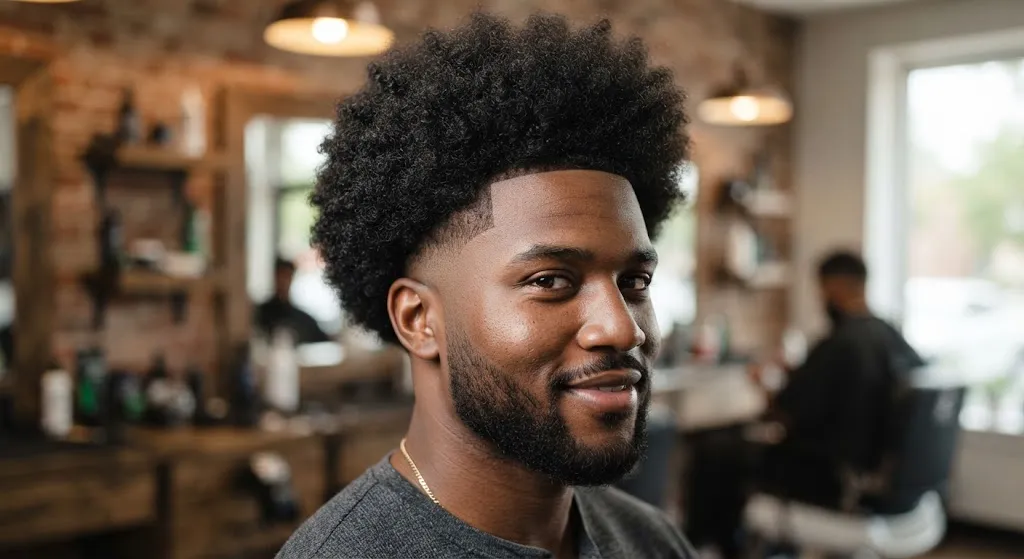
If you want to keep your natural hair looking full while still getting a polished haircut, the low fade afro is one of the strongest choices.
The biggest advantage is that you don’t have to sacrifice volume to get clean sides.
The fade stays low around the ears and sides, while the afro remains full and shaped on top. That contrast creates structure without making the hair look overly cut down.
The result is a haircut that feels natural but still clearly groomed.
It’s also versatile. You can keep the afro relatively short and controlled, or leave more length on top if you prefer a bigger silhouette.
How to ask your barber
Ask for a low fade while keeping the afro full and shaped rather than thinned out. If you have a beard, ask for a clean blend so the haircut and facial hair look connected.
Why Low Fades and Tapers Are Still Trending in 2026
There’s a reason these cuts keep showing up year after year.
A low fade gives you a clean finish without completely changing the natural proportions of your head. That makes it easier to pair with different hair types and textures.
If you have curls, the low fade gives them room to stand out.
If you have waves, it protects the pattern instead of cutting too deeply into it.
If you wear an afro, the low fade creates structure while allowing you to keep your volume.
And if you prefer something understated, a low taper can give you the same freshly-groomed feeling without creating a dramatic contrast.
Another advantage is versatility. You can take the same basic low fade and change the personality of the haircut simply by changing what happens on top.
Add curls and the look becomes textured and relaxed.
Keep the top short and it becomes cleaner and more professional.
Add waves and the haircut becomes more polished.
Leave an afro full and it becomes more natural and expressive.
Even a simple design can completely change the overall impression.
Low Fade vs. Low Taper: Which One Should You Get?
The two styles are similar, but they aren’t exactly the same.
A low fade generally creates a more noticeable transition between the shorter sides and the longer hair above. Depending on the version, the fade can go down to the skin.
A low taper is usually more subtle. It focuses on cleaning up the hair around the temples, sideburns, and neckline while leaving more of the surrounding hair intact.
If you want your haircut to be clearly visible and freshly faded, go with a low fade.
If you want something more natural that grows out easily, a low taper may be the better choice.
And if you’re not sure, showing your barber a photo is often the easiest way to communicate what you actually want.
How to Choose the Right Low Fade for Your Hair
The best haircut isn’t necessarily the trendiest one. It’s the one that works with your natural hair and the amount of maintenance you’re willing to put in.
If you have curls
Go for a low fade or low taper that leaves enough length on top. Your curls should remain the main feature rather than being cut down until they lose their definition.
If you have waves
A low fade is a great choice because it can clean up the sides without cutting too deeply into the wave pattern.
If you have an afro
Consider a low fade or low taper. Both can clean up the sides while preserving the volume and shape of the afro.
If you wear a beard
A low fade with a smooth beard blend can create a much more connected appearance. Avoid a harsh transition between your sideburn and beard unless that’s specifically the look you want.
If you want something subtle
The low taper is probably your best bet. It keeps the haircut neat without making the fade the center of attention.
If you want something bold
A low fade with a simple side design can give you that extra edge without requiring an extreme haircut.
How to Tell Your Barber Exactly What You Want
One of the easiest mistakes to make is simply saying, “Give me a low fade,” and assuming the barber knows exactly what you have in mind.
A low fade can look very different depending on where the fade sits, how short it goes, how the top is shaped, and how the lineup is finished.
Instead, be specific.
Tell your barber:
- How low you want the fade
- Whether you want it down to skin
- How much length you want on top
- Whether you want a natural or sharp lineup
- Whether you want the beard connected
- Whether you want to preserve curls, waves, or afro volume
- Whether you want a design
And, most importantly, bring a reference photo.
A good reference image can communicate the exact shape much faster than trying to explain every detail verbally.
Final Thoughts
Low fades and low tapers are not going anywhere in 2026.
The reason is simple: they give you a lot of flexibility.
You can make them clean and professional, relaxed and natural, bold and creative, or somewhere in between. The fade itself doesn’t have to be the entire haircut. Instead, it can simply provide the foundation for whatever texture and style you naturally have.
Whether you prefer defined curls, brushed waves, a full afro, a beard combination, or a subtle everyday taper, there’s a low haircut that can work for you.
The biggest thing to remember is not to chase a haircut just because it looks good on someone else. Pay attention to your hair texture, the shape you naturally have, and how much time you want to spend maintaining the style.
Then find a good barber, bring a clear reference, and explain what you want.
Sometimes the best haircut is the one that doesn’t completely change your appearance — it just makes everything you already have look sharper.