You see an undercut online, and you think, “You know what, this actually looks clean.”
And then there’s the biggest worry of all: what if you sit in the barber chair, say “I want an undercut,” and walk out with something completely different from what you had in mind?
The sides are tight. The top has plenty of volume. There’s a sharp contrast between the two, and somehow the whole haircut looks effortless.
But then you start wondering.
Will this suit my face shape?
Will it make my face look rounder or longer?
What if my hair is too thin? What if it’s too thick?
If you’ve ever had that thought, you’re definitely not alone.
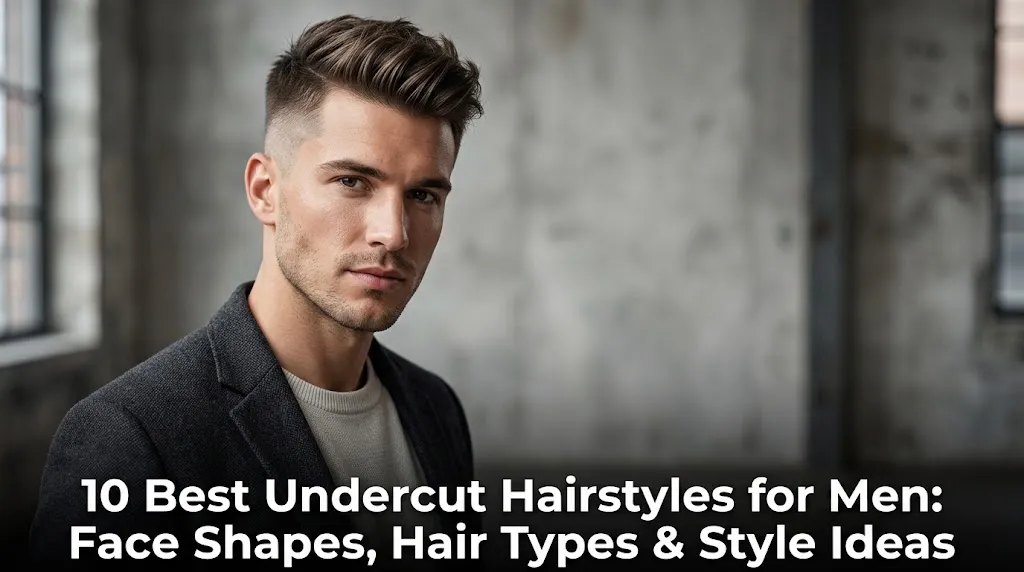
An undercut isn’t just one haircut. It can be slicked back, textured, messy, parted, cropped, lifted into a quiff, or even combined with long hair on top. The way it looks can change dramatically depending on your face shape, hair texture, hair length, and how you style it.
That’s why choosing the right version matters.
In this guide, you’ll discover which face shapes generally work well with an undercut, what to consider based on your hair type, and 20 undercut hairstyle ideas you can show your barber before your next appointment.
Let’s get into it.
Read Also : 9 Short Curly Haircuts for Men: Stylish Ideas to Try in 2026
Is an Undercut a Good Idea for Men?
An undercut can be a great choice if you like a hairstyle with tight sides and a noticeable contrast between the sides and the top.
The basic idea is simple: the sides and back are kept significantly shorter than the hair on top.
That contrast is what gives the undercut its recognizable appearance.
You can keep the top relatively short, grow it several inches long, slick it backward, push it forward, create a side part, or leave it messy and textured.
That flexibility is one of the reasons the haircut has remained popular.
However, there is one thing you should understand before asking your barber for an undercut.
An undercut isn’t automatically a low-maintenance haircut.
The shorter sides need regular trimming if you want them to remain crisp. At the same time, longer hair on top often needs some styling to look intentional.
If you wake up, run your hands through your hair, and want to leave the house within two minutes, a heavily styled undercut might become annoying.
But if you don’t mind spending a few minutes with a blow dryer, comb, or small amount of styling product, you have plenty of options.
Think about the undercut as a haircut with a strong visual contrast.
If that’s the look you want, it’s worth considering.
What Face Shape Looks Best With an Undercut?
There isn’t one face shape that automatically “wins” with an undercut.
The trick is choosing the right version of the haircut.
Different styling choices can change the visual balance of your face.
For example, adding height to the top can make a round face appear visually longer, while keeping too much width on the sides can make the face look wider.
Here are some general guidelines.
Oval Face
If you have an oval face, you have plenty of flexibility.
An oval face tends to work with many different proportions, so you can experiment with slick backs, side parts, textured crops, quiffs, and longer tops.
You don’t necessarily need dramatic height or extra width.
If you like the classic undercut appearance, you can focus more on the style you personally prefer.
Round Face
If your face is round, you may want to create some visual height.
A quiff, textured top, or slick-back undercut can help draw the eye upward.
You may also want to avoid adding unnecessary bulk around the sides because extra width can emphasize the roundness of the face.
Keeping the sides tight and the top slightly lifted is one approach worth discussing with your barber.
Square Face
A square face already has a strong jawline and relatively angular features.
A clean undercut can emphasize that structure.
You can choose a sharp slick back for a polished appearance or a textured top if you want something more relaxed.
Because your jawline already provides plenty of definition, you don’t necessarily need an extremely tall top.
Oblong or Long Face
If your face is already long, be careful about adding too much height.
A very tall quiff combined with extremely tight sides can visually lengthen the face even more.
Instead, consider keeping some texture and movement on top without creating excessive vertical height.
A side part or textured undercut can be a useful direction.
Heart-Shaped Face
A heart-shaped face tends to be wider around the forehead and narrower toward the chin.
A softer textured top can help balance the proportions.
Rather than making the top extremely tall, you can allow some natural movement and choose a style that doesn’t make the forehead appear dramatically wider.
1. Slick Back Undercut
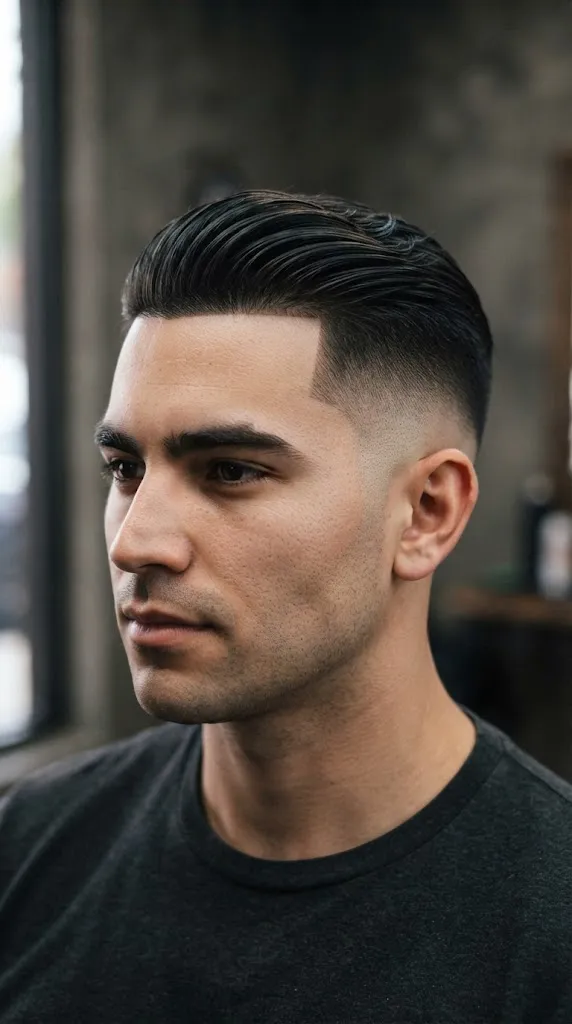
You see clean sides and a sharp contrast, and you instantly know this undercut feels polished.
If you want something sharp without making the haircut look overly complicated, the slick-back undercut is a strong option.
The top should have enough length to sweep backward comfortably, while the sides remain tight.
For many men, around 3 to 4 inches of length on top provides enough room to experiment with the slick-back shape, although the ideal length depends on your hair.
A small amount of pomade can help create the classic finish.
If your hair tends to fall flat, use a blow dryer while directing the hair backward before applying your product.
What to tell your barber:
“Keep the top long enough to slick back, with tight sides and a clean undercut transition.
2. Silver Textured Undercut
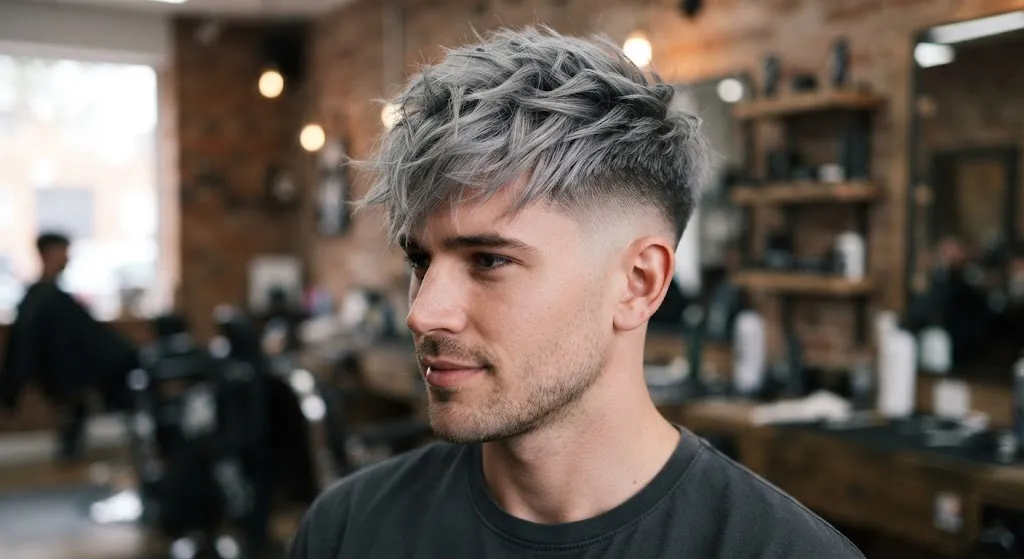
Color can completely change the personality of an undercut.
A silver or cool-gray tone immediately makes the hairstyle feel more modern, especially when paired with a textured top.
The sides can be kept very short while the longer hair on top is left with visible movement.
Instead of using a shiny pomade, consider a matte clay or texture paste.
The goal is to make the hair look separated and natural rather than greasy.
This style can work particularly well if you enjoy experimenting with hair color.
Just remember that achieving a silver tone may require significant lightening, so talk to a professional colorist if you’re considering the transformation.
What to tell your barber:
“Keep the sides very tight and leave enough length on top for messy texture and movement.”
3. Clean Fade Undercut
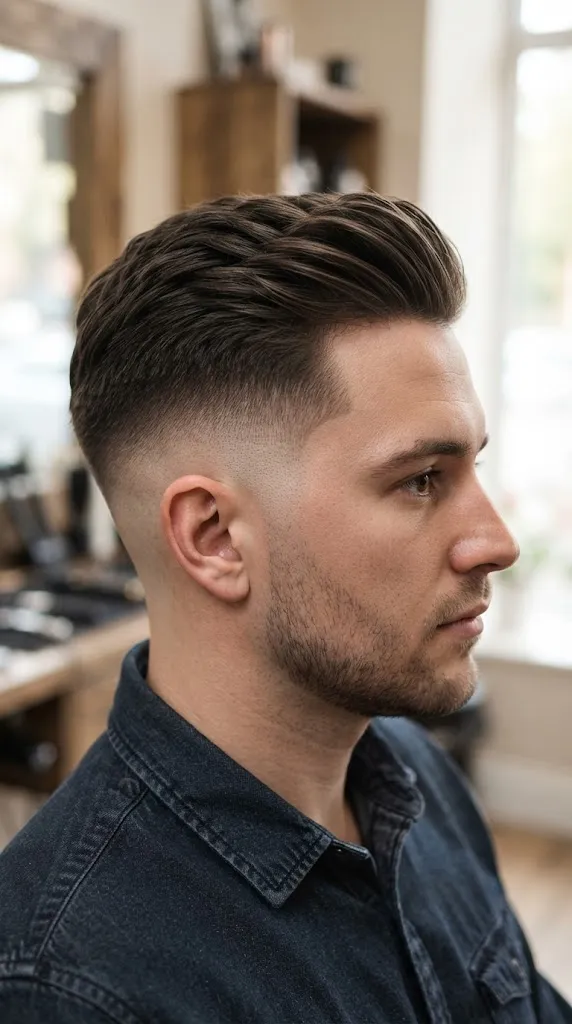
If you love extremely clean sides, this version deserves a place on your list.
The fade gradually moves from very short near the bottom into the longer hair above.
The result is neat and controlled without requiring an overly dramatic style on top.
You can combine it with a slick back, comb-over, or natural textured finish.
A low-to-mid fade can give you a more conservative appearance, while a higher fade creates stronger contrast.
What to tell your barber:
“Keep the top longer and create a clean low-to-mid fade underneath it.
4. Textured Fade Undercut
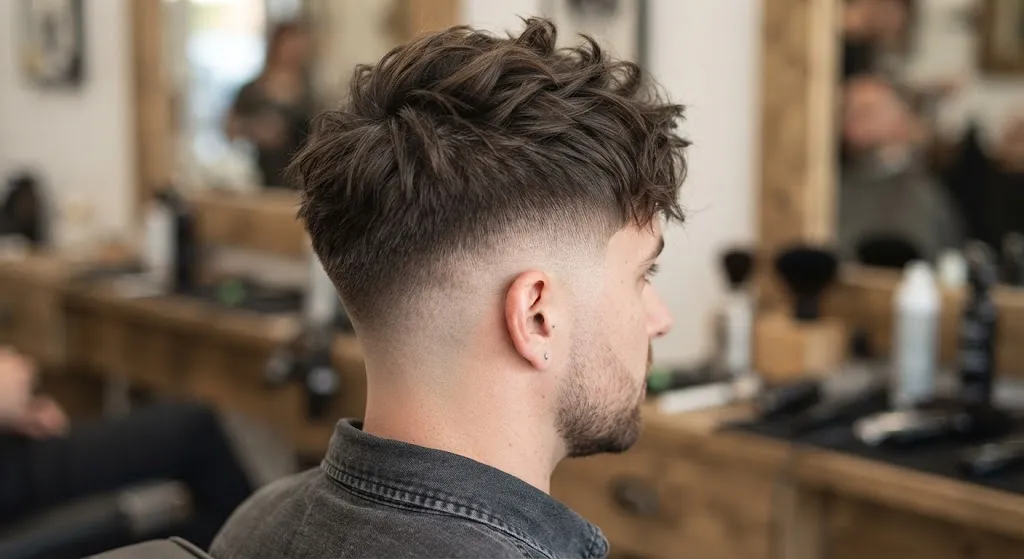
Not every undercut needs to look perfectly combed.
If you prefer something relaxed, the textured fade undercut gives you more freedom.
The sides stay clean while the top has layers and movement.
This is particularly useful if your natural hair already has some wave or texture.
A matte clay can help separate the strands without giving the hair a wet appearance.
You can apply the product with your fingers and push the hair backward or slightly upward.
The less perfect it looks, the better.
5. Side Part Undercut
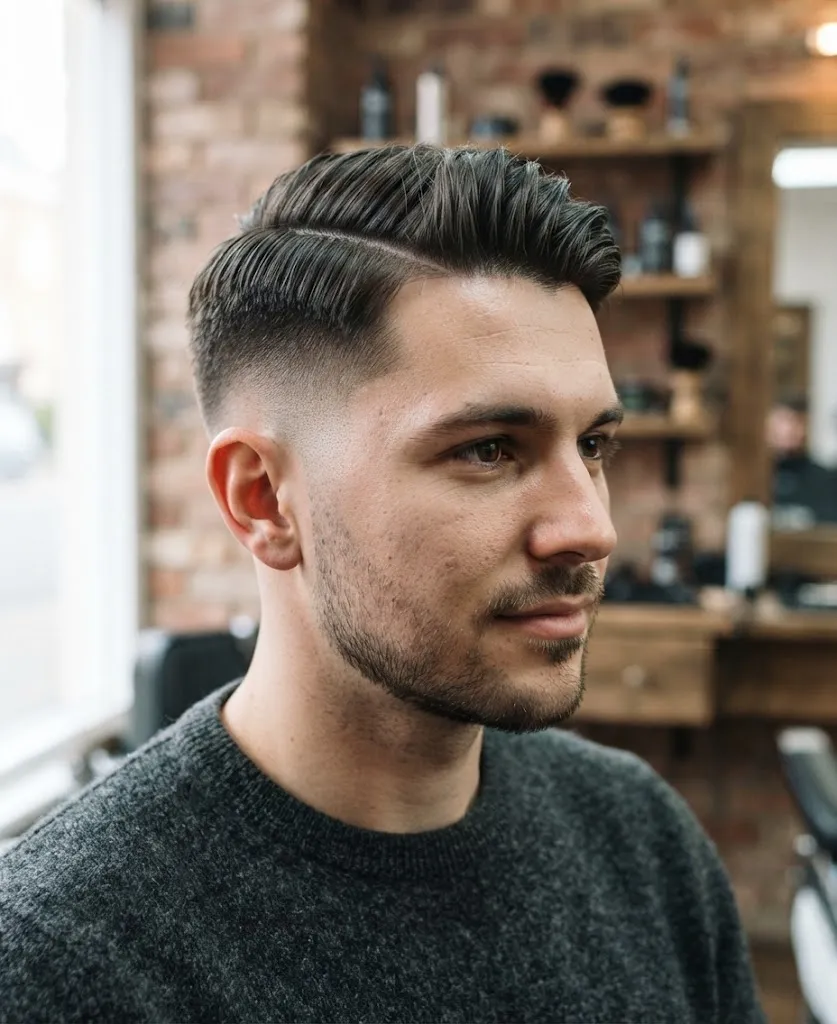
The side part gives the undercut a more traditional and refined personality.
You get the contrast of an undercut while keeping the top structured.
If you’re looking for a haircut that can work in both professional and casual settings, this is worth considering.
The important part is making sure the top has enough length to create a natural part.
Your barber can also help determine where your natural part sits.
A small amount of pomade and a comb can keep everything in place.
6. Classic Slick Undercut
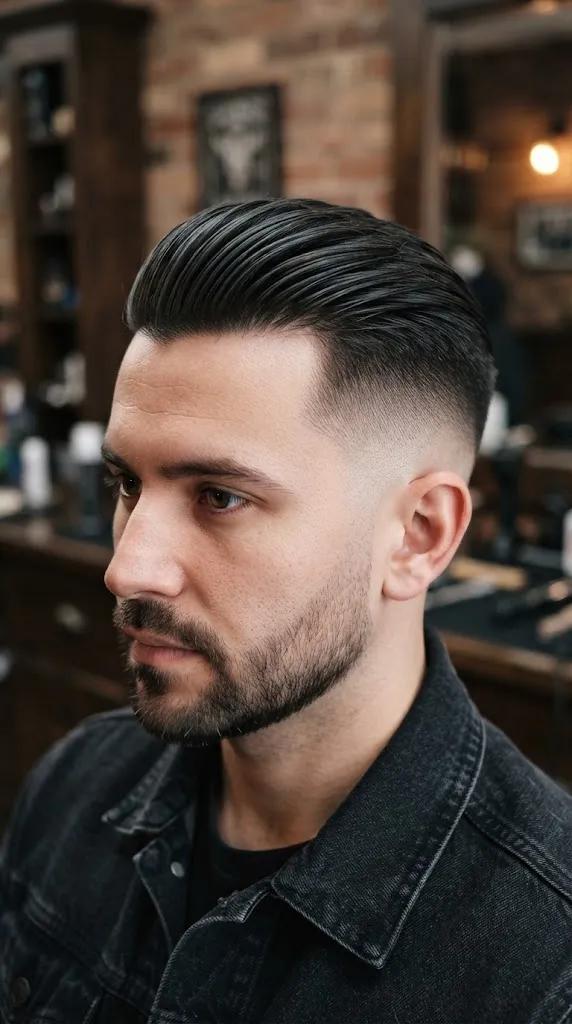
Sometimes the simplest version is exactly what you’re looking for.
The classic slick undercut keeps the top smooth and controlled while the sides remain short.
Unlike a highly textured style, this haircut is all about clean lines and consistency.
You can use a medium-hold pomade and a comb to create the shape.
For a more modern finish, avoid making the hair excessively shiny.
A natural or low-shine product can make the hairstyle feel less dated.
7. Voluminous Undercut Quiff
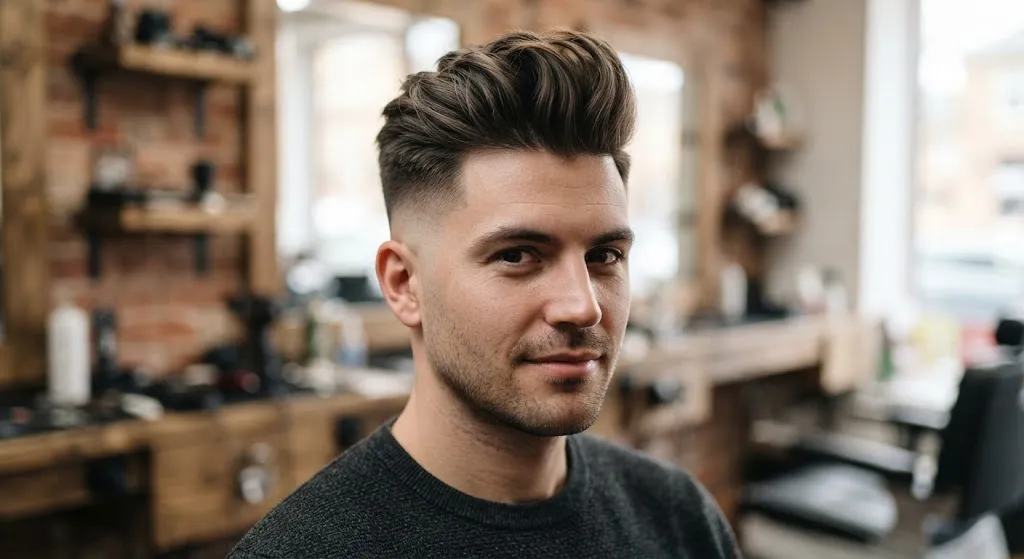
You will see how much difference height can make when you look at an undercut quiff.
Instead of keeping the top flat, the front is lifted upward and slightly backward.
That added height can visually lengthen the face, which may appeal to men with rounder facial proportions.
The key is not simply making the hair as tall as possible.
The shape should still look natural.
Ask your barber to leave additional length toward the front.
When styling, use a blow dryer first and then add a small amount of matte clay.
8. Undercut Man Bun
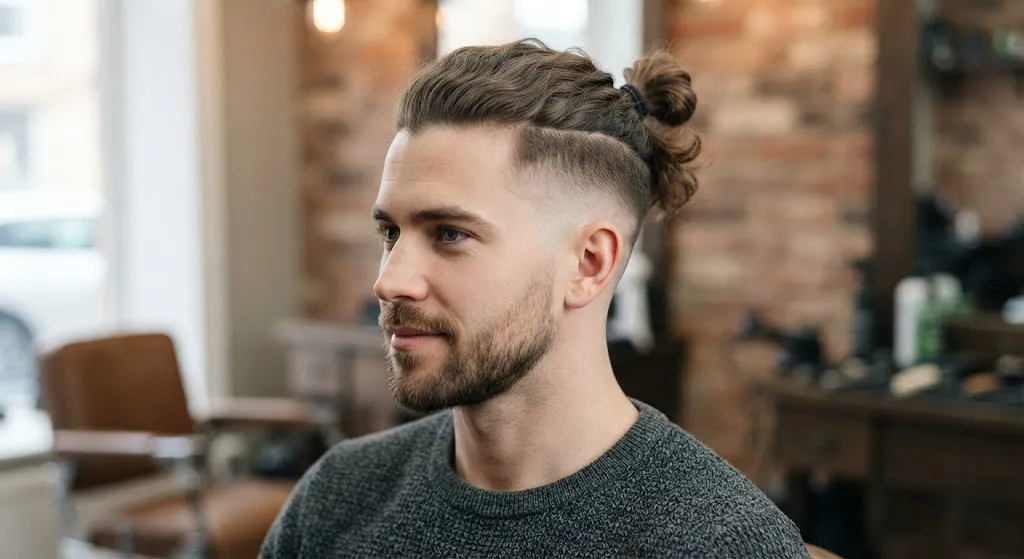
If you prefer longer hair, the undercut doesn’t disappear from the conversation.
You can keep the top long enough to tie into a bun while keeping the sides and back significantly shorter.
The result is bold and instantly recognizable.
It also gives you flexibility because you can wear the hair down when you want a different appearance.
The main challenge is maintaining the sides.
Once the sides grow out, the contrast disappears.
9. Textured Crop Undercut
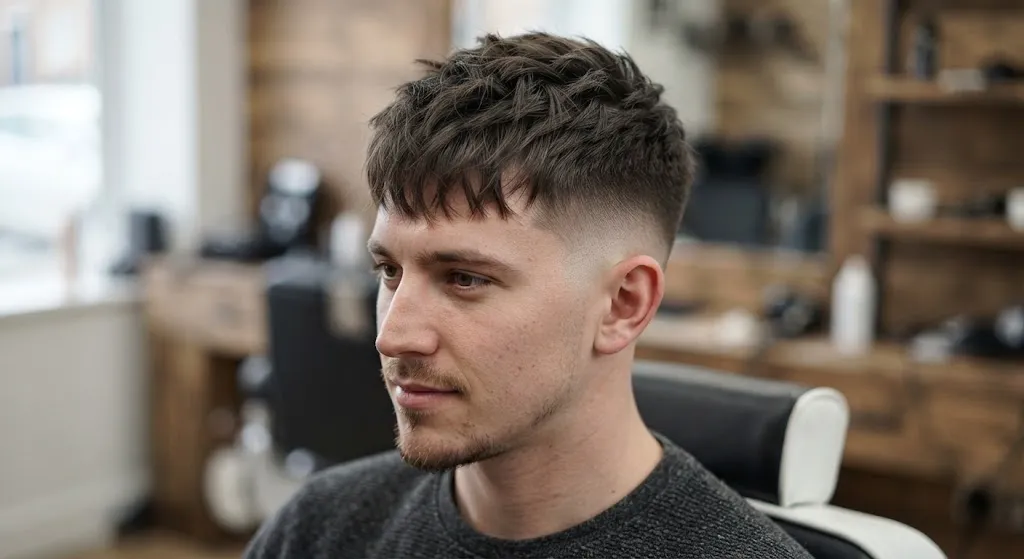
You don’t need several inches of hair to make an undercut work.
A textured crop keeps the top shorter and easier to manage.
The fringe can sit slightly forward while the sides remain tight.
This makes the haircut feel more casual than a traditional slick-back.
It’s also useful if you don’t want to spend a lot of time styling your hair every morning.
A small amount of matte clay is usually enough to bring out the texture.
10. Classic Comb Back
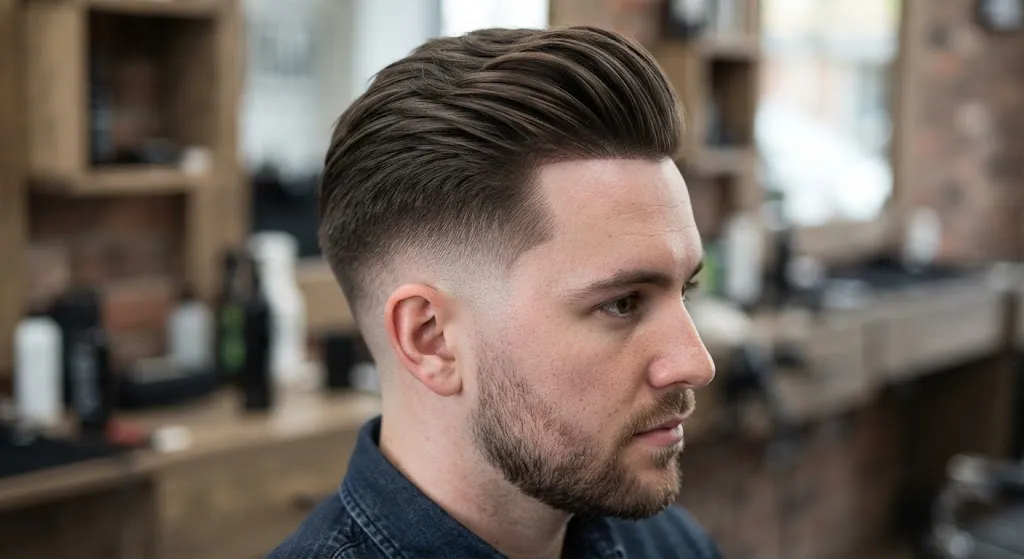
The comb-back undercut is a slightly softer alternative to the slick back.
Instead of pressing every strand tightly against the head, you allow some natural volume to remain.
This can make the hairstyle look more relaxed while still keeping the clean structure.
You can use a light or medium-hold product depending on your hair.
A blow dryer can help create volume before you finish with your styling product.
How to Tell Your Barber Exactly What You Want
One of the easiest ways to get a haircut you don’t like is to use only one word.
“Undercut.”
That word can mean many different things.
Instead of stopping there, explain the details.
Tell your barber:
- How short you want the sides.
- Whether you want a skin fade, taper, or disconnected undercut.
- How much length you want on top.
- Whether you want texture or a smooth finish.
- Whether you normally style your hair.
- Whether you want the top pushed back, forward, or sideways.
- Whether you want a hard part.
- How much maintenance you’re willing to do.
And, most importantly, show a reference photo.
A photo gives your barber something concrete to work with.
You can even show two or three pictures and explain exactly what you like about each one.
For example:
“I like the sides from this picture, but I want the top from this one.”
That conversation can be much more useful than simply saying, “Give me an undercut.”
How Often Should You Maintain an Undercut?
This depends on how short you keep the sides and how precise you want the haircut to look.
If you like very sharp, tight sides, you may notice growth relatively quickly.
For a consistently clean appearance, many men choose to visit their barber every few weeks.
You don’t necessarily have to completely redo the haircut every time.
Sometimes a quick cleanup around the sides and neckline is enough to restore the shape.
The top is different.
If you’re growing it longer, you may go longer between major trims depending on the style you’re trying to achieve.
Talk to your barber about a maintenance schedule that matches your preferred look.
How to Style an Undercut
Your styling routine doesn’t need to be complicated.
For most undercuts, you can start with these basic steps.
Step 1: Start With Damp Hair
After washing, gently towel-dry your hair.
You want it damp, not soaking wet.
Step 2: Use a Blow Dryer
If you want volume, a blow dryer can make a huge difference.
Direct the air in the direction you want your hair to sit.
For a slick back, direct the hair backward.
For a quiff, lift the front upward while drying.
Step 3: Add Your Styling Product
Use a small amount first.
You can always add more.
For textured hairstyles, matte clay or texture paste can work well.
For classic slick styles, pomade can give you the control you’re looking for.
Step 4: Shape the Hair
Use your fingers for a relaxed, textured appearance.
Use a comb when you want cleaner lines and a more structured result.
Step 5: Don’t Overdo the Product
This is where many people go wrong.
Too much product can make the hair heavy, greasy, or flat.
Start small and build up gradually.
Common Undercut Mistakes to Avoid
Choosing a Style Only Because It Looks Good on Someone Else
A hairstyle photo is a reference, not a guarantee.
Your hair density, texture, hairline, and face shape can all change the final result.
Keeping the Top Too Heavy
If the top becomes excessively thick, it may become difficult to style.
Ask your barber whether some weight should be removed.
Ignoring Your Natural Hair Direction
Your hair naturally wants to grow in a particular direction.
Work with it whenever possible.
Trying to force your hair in the opposite direction every morning can make styling much harder.
Using Too Much Product
More product doesn’t necessarily mean more hold.
Start with a small amount and add more only if necessary.
Waiting Too Long Between Side Trims
The contrast is one of the defining features of an undercut.
When the sides become too grown out, the haircut can lose some of its visual impact.
Which Undercut Should You Try?
The answer depends on what you actually want from your haircut.
If you prefer something polished, you might look toward the slick back, side part, or classic comb-back.
If you prefer a relaxed appearance, the textured fade, messy undercut, or textured crop may be closer to what you’re after.
If you want height, consider the quiff or pompadour.
If you have curly or wavy hair, you don’t necessarily need to fight your natural texture. A curly or wavy undercut can make that texture the main feature.
And if you’re willing to grow your hair longer, you can experiment with a man bun or long textured undercut.
The important thing is not simply choosing the trendiest picture.
Choose the version that fits your face, your hair, your daily routine, and the amount of maintenance you’re actually willing to do.
Because the best-looking haircut isn’t very useful if you hate styling it every morning.
Final Thoughts
An undercut can completely change the way your hairstyle looks.
The tight sides create structure, while the longer top gives you room to experiment.
You can make it polished with a slick back, professional with a side part, relaxed with messy texture, bold with a pompadour, or completely different by combining it with curls, waves, or long hair.
But don’t walk into the barbershop with only the word “undercut” in your head.
Think about the length you want.
Think about your face shape.
Think about your natural hair texture.
And most importantly, think about how much time you actually want to spend styling your hair.
Then show your barber a reference image and explain what you like about it.
That small amount of preparation can make a big difference.
After all, you’re not just choosing an undercut.
You’re choosing the version of the undercut that you actually want to live with every morning.