Most men with wavy hair don’t actually have a “bad hair type.” More often than not, they simply have the wrong haircut for their natural texture.
That’s why your hair can look great one day and completely out of control the next.
You might wake up with perfectly defined waves, only to find that your hair has become puffy around the sides by lunchtime. Maybe the top looks flat, while the sides seem to have a mind of their own. Or perhaps you leave the barbershop feeling confident, only for your haircut to look completely different once you wash and style it yourself.
The problem usually isn’t your hair.
The problem is that many popular men’s haircuts are designed with straight hair in mind. Wavy hair behaves differently, so it needs to be cut differently.
Waves need the right shape, enough length, and the right amount of texture to fall naturally. When your haircut works with your waves instead of fighting against them, your hair becomes much easier to manage.
You often don’t need a complicated styling routine.
A good haircut can do most of the work for you.
In this guide, we’ll look at the best haircuts for men with wavy hair, how to choose a style based on your hair type and face shape, exactly what to tell your barber, how to style your waves, and the common mistakes that can make wavy hair look messy.
Let’s get into it.
Read Also : Best Haircuts for Men With a Square Face: Styles That Balance Your Face Shape
Why Does Wavy Hair Look Messy?
Wavy hair doesn’t automatically look messy because it’s naturally textured.
In fact, that texture is exactly what makes wavy hair attractive.
The problem happens when the haircut doesn’t match the way your hair naturally moves.
Straight hair generally falls in a predictable direction. Wavy hair doesn’t. It bends, curves, expands, and changes depending on its length, thickness, moisture level, and even the weather.
That means a haircut that looks great on someone with straight hair may behave completely differently on someone with waves.
For example, if the sides of your hair are cut too short while the top is left heavy, your waves may create an awkward contrast. The top can look flat while the sides become puffy.
If the top is cut too short, your waves may disappear altogether.
And if thick wavy hair is left at one uniform length, it can develop too much weight and start looking bulky rather than styled.
The Importance of Length
Length is one of the biggest factors when it comes to wavy hair.
If your hair is too short, the wave pattern doesn’t have enough room to form. Instead of getting natural texture, you may end up with hair that looks flat or slightly frizzy.
On the other hand, keeping too much length without adding shape can make thick hair look heavy.
The sweet spot depends on your individual hair.
Loose waves can often handle shorter cuts, while thicker or more defined waves usually benefit from a little extra length.
Your Hair May Need Structure, Not More Product
It’s tempting to solve an unruly hairstyle by adding more styling product.
But if the haircut itself isn’t working, product can only do so much.
You could use a strong pomade, gel, wax, or cream and still struggle to get the shape you want.
A better approach is to start with the haircut.
Once the shape is right, a small amount of styling product can enhance your natural waves instead of trying to force them into place.
How to Pick the Right Haircut for Wavy Hair
Before choosing a haircut, forget about the name of the style for a moment.
Instead, look at your hair.
Ask yourself a few simple questions:
How thick is it?
How strong are your waves?
How much time do you want to spend styling it?
How short do you want the sides?
Do you want a polished hairstyle or something more relaxed?
These questions will help you choose a haircut that actually fits your lifestyle.
Consider Your Wave Pattern
Not all wavy hair behaves the same way.
Some men have very loose waves that barely become noticeable until the hair gets longer. Others have strong waves that create obvious movement throughout the hair.
If your waves are loose, you may be able to wear shorter styles comfortably.
If your hair is thick and strongly wavy, keeping more length on top can prevent it from becoming overly puffy.
Think About Your Hair Density
Thick hair and fine hair have different needs.
Thick wavy hair usually benefits from internal texture and layering because removing some weight allows the waves to move more naturally.
Fine wavy hair may need more careful layering because taking away too much density can make the hair look thin.
Your barber should consider both your wave pattern and your hair density rather than simply copying a haircut from a photograph.
Think About Your Daily Routine
Be honest about how much effort you’re willing to put into your hair.
If you don’t want to spend 15 minutes styling your hair every morning, don’t choose a hairstyle that requires it.
A textured crop, short wavy cut, or natural medium-length style can be much easier to maintain.
If you enjoy styling your hair, however, a quiff, side part, or longer layered style gives you more room to experiment.
The best haircut isn’t necessarily the most impressive one.
It’s the one you’re actually going to maintain.
Best Short Haircuts for Wavy Hair
Short hair is a great option if you want your hairstyle to look clean, practical, and relatively easy to maintain.
But there’s an important detail:
Short doesn’t have to mean extremely short.
If you cut wavy hair too close to the scalp, you can remove the very texture that makes it look good.
The goal is to keep enough length for your waves to remain visible.
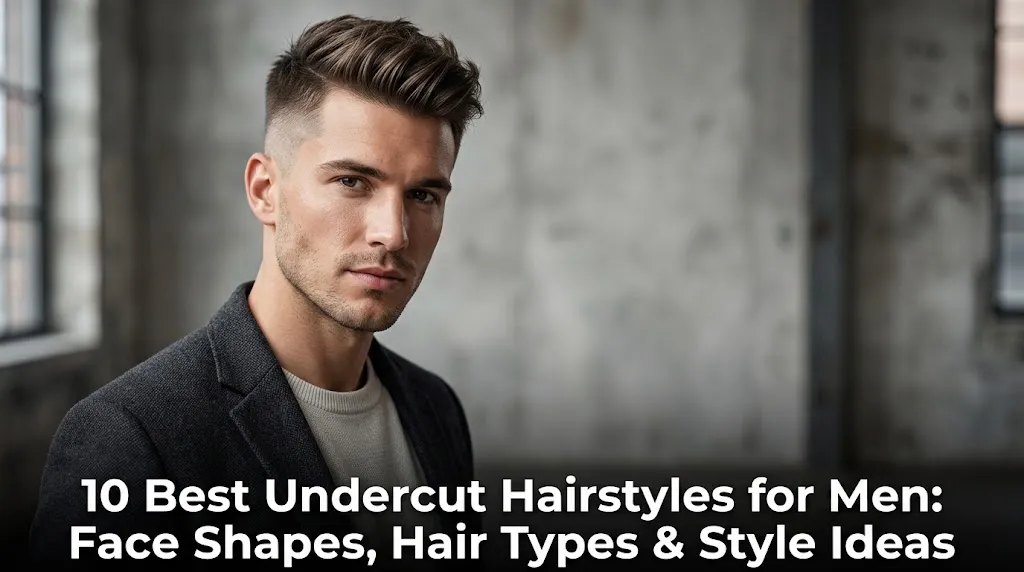
1. Textured Crop
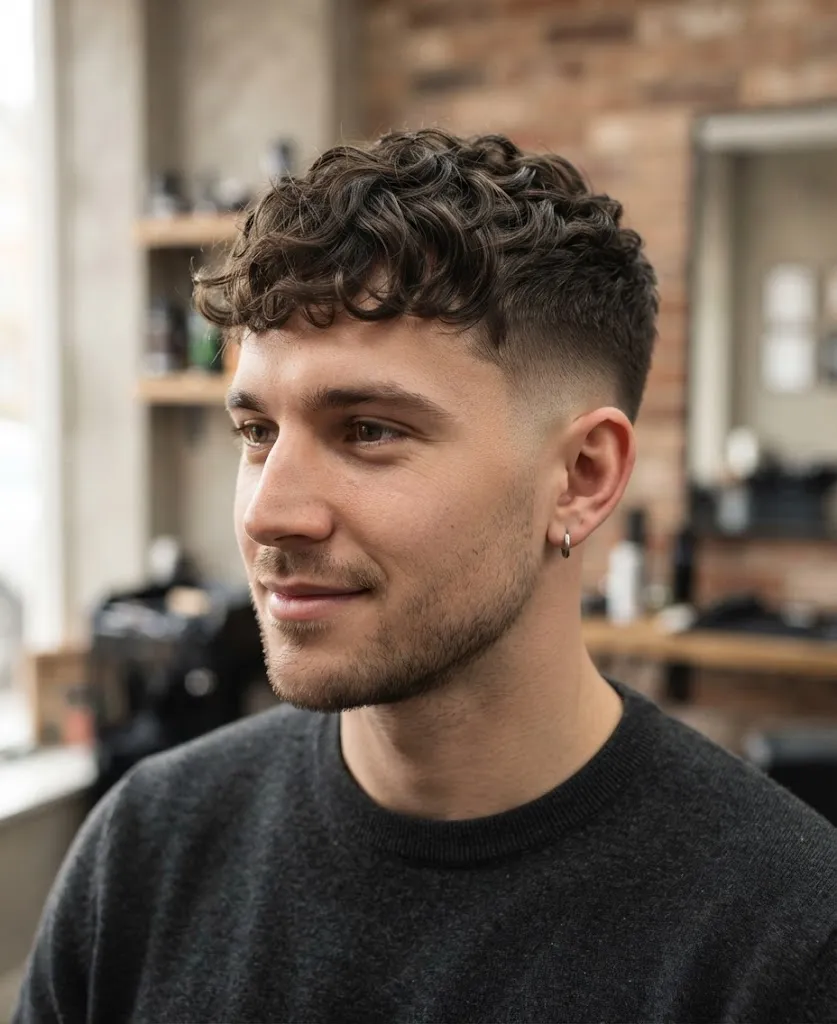
The textured crop is one of the easiest short hairstyles for wavy hair.
The sides can be kept relatively short while the top retains enough length for natural movement.
Instead of trying to make every strand perfectly neat, the texture becomes part of the style.
This makes the haircut particularly useful for men who want a modern appearance without spending a lot of time styling.
Ask your barber for texture on top while keeping enough length for your natural waves to remain visible.
2. Low Fade With Wavy Top
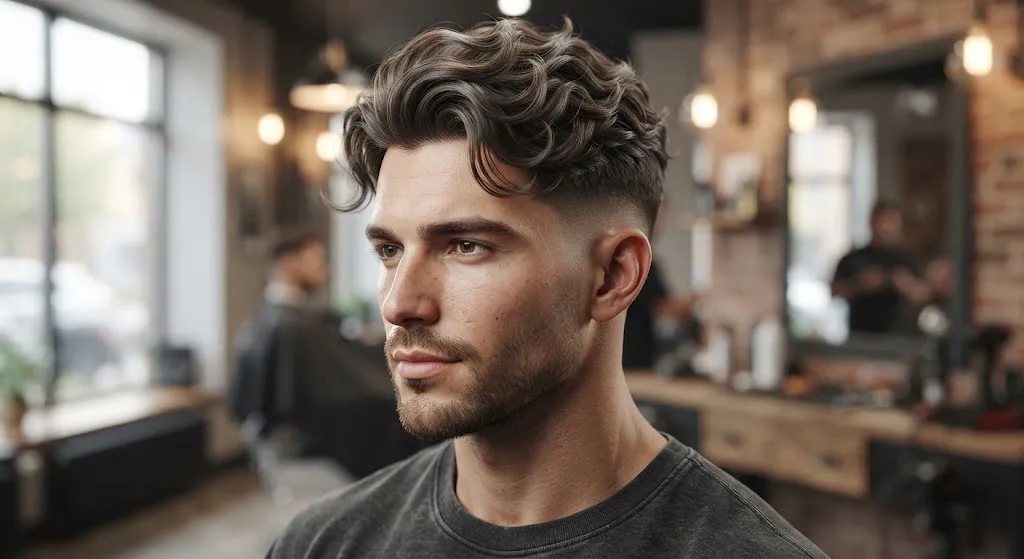
A low fade can work extremely well with wavy hair.
The short sides reduce excess bulk while leaving enough length on top for the waves to create movement.
The contrast between the clean sides and textured top gives the hairstyle a sharp appearance without making it look overly styled.
A low fade is particularly useful if your hair tends to become bulky around the temples and lower sides.
However, don’t automatically ask for an extremely high fade.
The right fade depends on your head shape, hair density, and how much contrast you want.
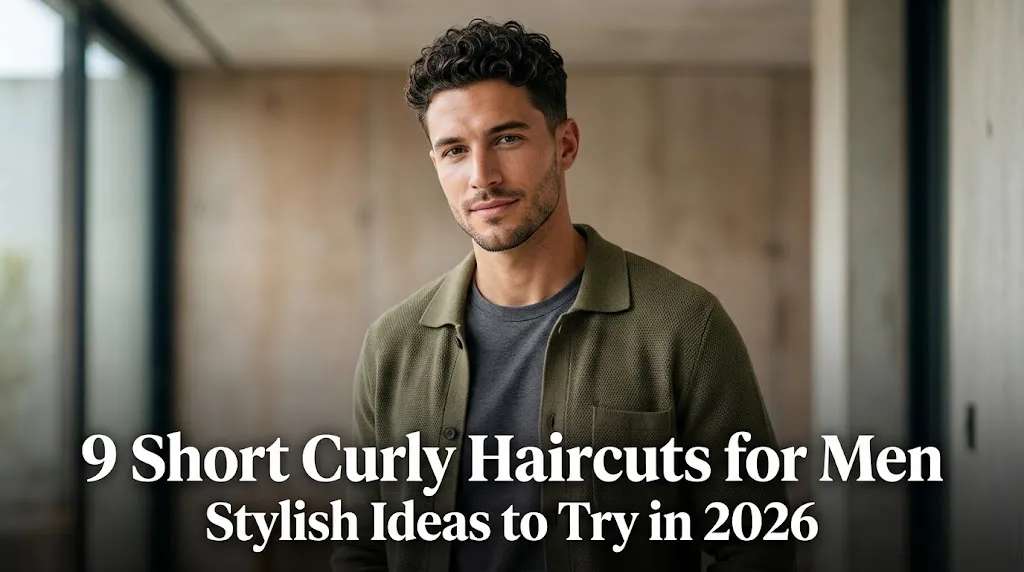
3. Short Wavy Fringe

If you like a younger, more relaxed look, a short wavy fringe can be a great option.
The natural wave gives the fringe texture without requiring excessive styling.
Instead of creating a perfectly straight fringe, allow the hair to follow its natural movement.
This makes the haircut feel more relaxed and less artificial.
Best Medium-Length Haircuts for Wavy Hair
For many men, medium-length hair is the sweet spot.
It gives your waves enough room to develop while still allowing you to maintain a relatively controlled shape.
Medium-length hair also gives you more styling options.
You can wear it naturally, push it backward, create a quiff, form a side part, or simply let the waves fall forward.
4. Wavy Quiff
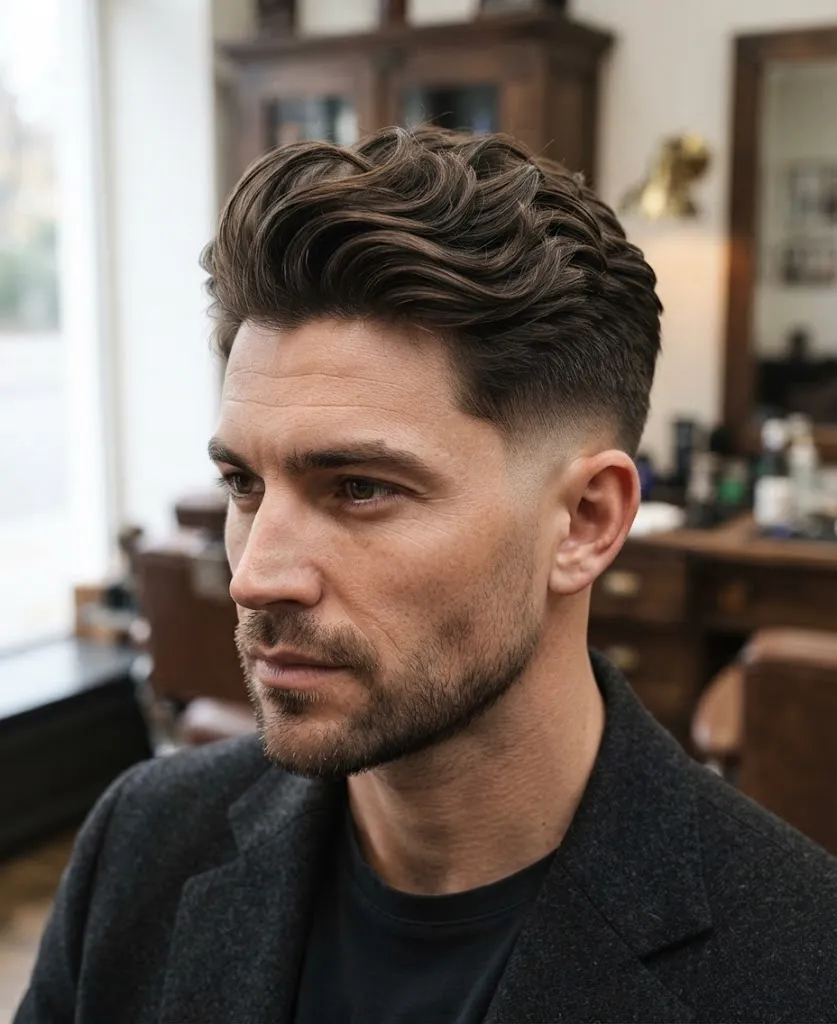
The quiff works particularly well with wavy hair because your natural texture already creates volume.
Instead of trying to make the front perfectly smooth, let your waves add movement.
The result is a hairstyle that looks styled without appearing overly polished.
Keep the sides controlled and leave enough length through the front and top.
The exact length will depend on your hair density and wave pattern.
5. Layered Side Part

A side part can look surprisingly natural with wavy hair.
Instead of creating a perfectly sharp, slick side part, ask your barber to keep the texture visible.
The waves soften the style and give it a more modern appearance.
This haircut can work particularly well if you need something that transitions between professional and casual settings.
You can style it neatly for work and let the waves become more relaxed when you’re off the clock.
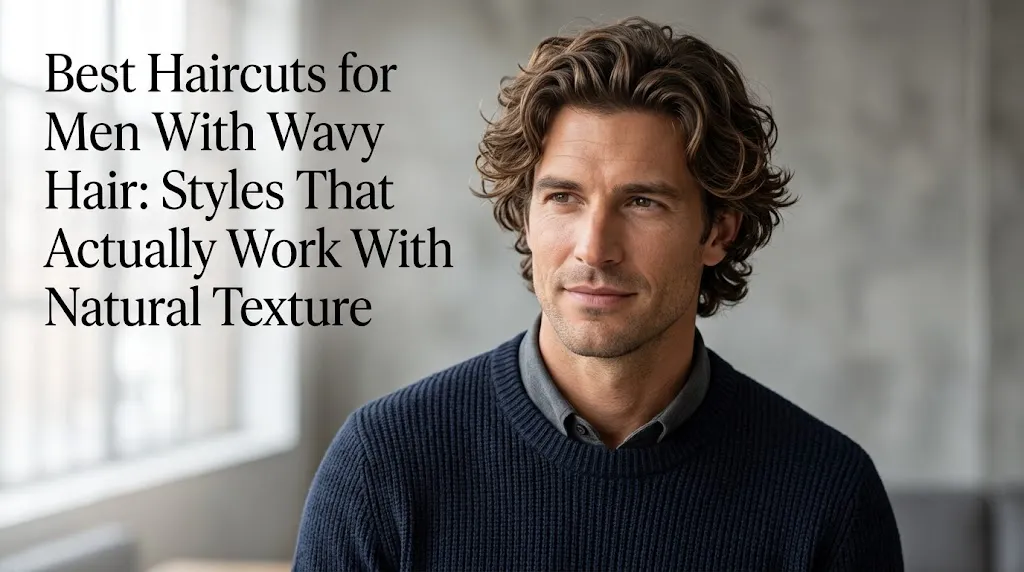
6. Messy Textured Waves

If you prefer a more relaxed appearance, don’t underestimate the power of natural texture.
A messy wavy hairstyle doesn’t mean your hair should look neglected.
There’s a difference between intentionally messy and simply untidy.
The haircut should still have a clear shape.
The layers should control the weight, while the natural waves provide the movement.
This style is ideal for men who want something casual, modern, and low effort.
Best Long Hairstyles for Wavy Hair
Long wavy hair can look incredible when it’s given the right shape.
The natural movement of waves means you don’t need to do much to make long hair interesting.
But long hair doesn’t mean you can simply stop cutting it.
In fact, regular shaping becomes even more important as the hair grows.
7. Bro Flow

The bro flow is one of the most natural-looking long hairstyles for men with wavy hair.
The hair is allowed to grow longer and naturally move backward and away from the face.
Wavy texture adds volume and prevents the style from looking completely flat.
It’s relaxed without looking careless.
For the best result, the hair should still be shaped periodically so it doesn’t become excessively heavy.
8. Long Layered Waves

If you want to keep significant length, layers become increasingly important.
Without layers, long wavy hair can accumulate too much weight.
The result is often hair that looks flat near the roots and bulky toward the ends.
Layers distribute the weight and allow the waves to move.
You don’t necessarily need dramatic layers.
Subtle shaping can be enough to make a major difference.
What to Tell Your Barber
One of the easiest ways to get a disappointing haircut is to explain your desired style poorly.
You don’t have to know every technical barbering term.
In fact, simple instructions are often better.
Tell your barber:
- How short you want the sides.
- How much length you want to keep on top.
- Whether you want a fade, taper, or natural sides.
- That you want to keep your natural waves.
- Whether you prefer a polished or relaxed appearance.
- How much time you’re willing to spend styling your hair.
Most importantly, tell your barber not to remove too much length from the top if you want your waves to remain visible.
A reference photograph is also extremely helpful.
But don’t simply show the barber a photo and say, “I want this.”
Explain what you like about it.
Maybe it’s the length.
Maybe it’s the shape around the sides.
Maybe it’s the amount of volume.
Maybe it’s the way the waves fall forward.
The more specific you are about what you like, the easier it is for your barber to adapt the haircut to your own hair.
A Simple Barber Script
You can say:
“I want to keep my natural waves on top. Please don’t cut the top too short. Keep enough length for the texture to show, remove some bulk if needed, and keep the sides clean but not excessively high.”
Then show your reference photo.
That simple explanation can prevent a lot of confusion.
How to Style Wavy Hair After the Cut
A good haircut makes styling much easier, but your daily routine still matters.
The good news is that wavy hair usually doesn’t need a complicated routine.
The goal is to enhance your natural texture rather than completely reshape it.
Step 1: Start With Damp Hair
After washing your hair, gently towel-dry it.
Don’t aggressively rub your hair with a towel.
That can create unnecessary friction and contribute to frizz.
Your hair should be damp but not dripping wet.
Step 2: Use a Small Amount of Product
Depending on your hair and desired result, you can use a lightweight styling product such as a curl cream, lightweight mousse, or sea salt spray.
Start with a small amount.
You can always add more.
It’s much harder to fix hair that has been overloaded with product.
Step 3: Scrunch Your Waves
Gently scrunch your hair upward with your hands.
This encourages your natural wave pattern to form.
Don’t repeatedly brush through the hair after applying product because that can separate the wave pattern and create frizz.
Step 4: Let It Dry Naturally
If you have time, air drying can give you a natural finish.
If you need more volume or want to speed up the process, use a diffuser on a low or moderate setting.
The goal is to dry the hair without aggressively disturbing the wave pattern.
Step 5: Finish Lightly
Once the hair is dry, avoid constantly touching it.
The more you play with your hair throughout the day, the more likely it is to lose definition and become frizzy.
Avoid These Mistakes That Ruin Wavy Hair
Even a great haircut can look bad if you make a few common mistakes.
Here are the ones worth avoiding.
Cutting the Top Too Short
This is probably one of the biggest mistakes.
If the top doesn’t have enough length, your waves may disappear.
Instead of natural texture, you’ll be left with short hair that doesn’t have enough room to form a pattern.
Using Too Much Product
More product doesn’t necessarily mean better hair.
Heavy products can weigh down your waves and make them look greasy or stiff.
Start small and add only if necessary.
Brushing Dry Wavy Hair
Brushing or aggressively combing dry waves can separate the natural wave pattern and create a frizzy appearance.
If you need to detangle your hair, it’s generally easier to do so while it’s damp.
Ignoring Layers
Long or thick wavy hair can become bulky when there’s too much weight in one area.
Strategic layering can help distribute that weight.
Washing Too Aggressively
Your hair’s natural condition matters.
Overwashing or using overly harsh products can leave the hair feeling dry, which can make waves look rough and frizzy.
Find a routine that keeps your scalp clean while allowing your hair to retain a healthy amount of moisture.
Which Haircut Fits Your Face Shape?
Your face shape can help guide your haircut choice, but don’t let it become too complicated.
The goal isn’t to follow strict rules.
It’s simply about creating balance.
Round Face
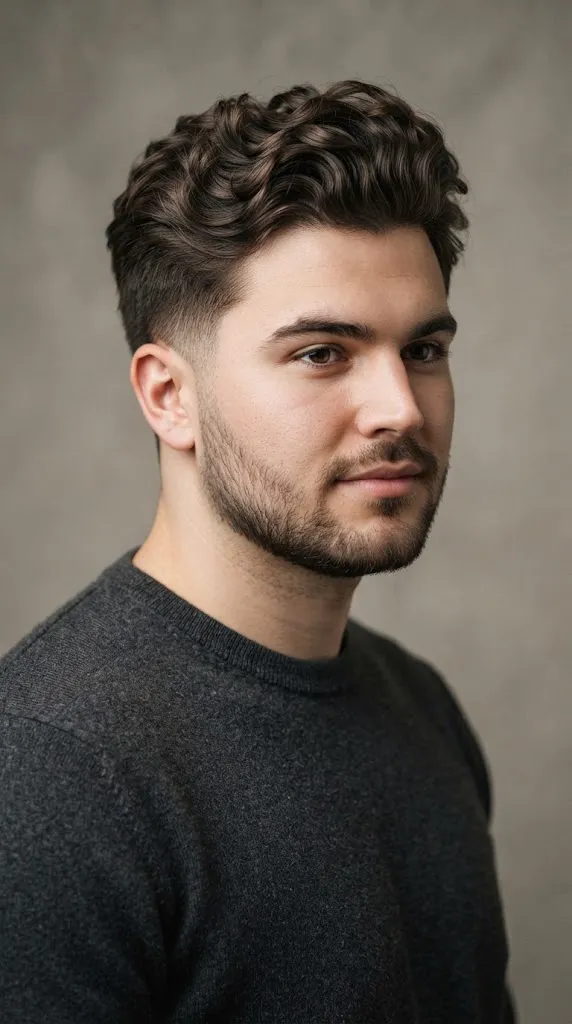
If you have a rounder face, hairstyles with some height on top can create the appearance of additional length.
A wavy quiff can work particularly well because your natural texture can create volume without requiring excessive product.
A cleaner, slightly shorter side can also help create contrast.
Long Face
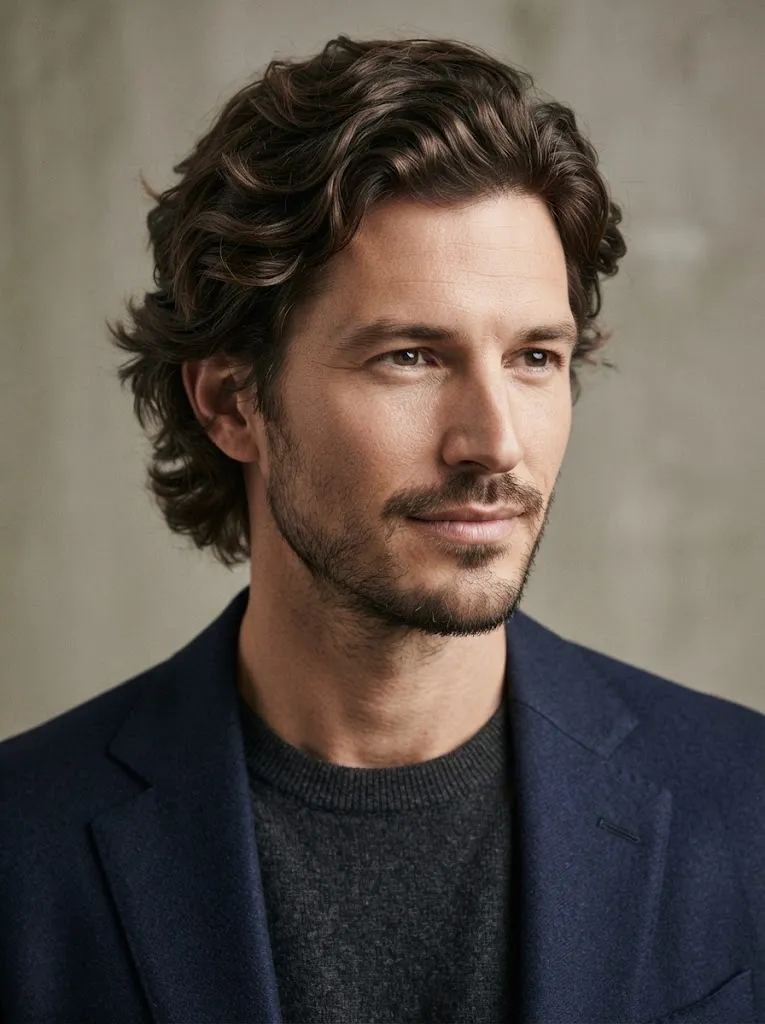
If your face is naturally long, be careful about creating too much height.
Excessive volume on top can make the face appear even longer.
Instead, a balanced hairstyle with some width through the sides can work better.
Medium-length wavy styles and layered side parts can be good choices.
Square Face

A square face already has strong structure, so textured wavy hairstyles can complement it naturally.
You don’t necessarily need to add dramatic angles.
A textured crop, medium-length waves, or relaxed side part can work beautifully.
The natural movement of the waves softens the overall appearance without hiding the strong facial structure.
How to Maintain a Wavy Haircut
Getting the haircut is only the beginning.
A good maintenance routine will help keep the shape working as your hair grows.
Depending on your hairstyle, you may want to visit your barber regularly to keep the sides, neckline, and overall shape under control.
The exact schedule depends on how quickly your hair grows and how short you keep the sides.
If you’re wearing a fade, you’ll probably notice the shape changing sooner.
If you’re wearing a longer layered hairstyle, you can usually go longer between cuts.
The important thing is to maintain the shape, not simply chase a specific length.
And remember that wavy hair can change as it grows.
A haircut that looks perfect at one length may behave differently a few weeks later.
That’s normal.
Your barber can adjust the shape as your hair gets longer.
The Best Wavy Haircut Is the One That Works With Your Hair
There’s no single haircut that works for every man with wavy hair.
That’s actually a good thing.
Your natural texture gives you plenty of options.
You can keep things short with a textured crop.
You can create contrast with a low fade and wavy top.
You can go for a quiff or side part if you prefer something more styled.
Or you can embrace your natural movement with a medium or long layered hairstyle.
The key is understanding what your hair wants to do.
If your hair naturally expands at the sides, don’t ignore it.
If your waves need extra length to form, don’t cut the top too short.
If your hair feels heavy, ask your barber about removing some weight through the interior rather than simply taking everything shorter.
The best haircut isn’t the one that forces your hair to behave differently. It’s the one that makes your natural hair easier to live with.
Final Thoughts
Wavy hair doesn’t need to be difficult.
And you definitely don’t need to fight your natural texture every morning.
The biggest improvement usually comes from getting the fundamentals right:
Choose a haircut that matches your wave pattern.
Keep enough length for your natural texture to develop.
Use layers when your hair needs weight removed.
Don’t overload your hair with styling products.
Tell your barber exactly what you want to keep and what you want changed.
And most importantly, learn to work with your waves instead of against them.
A great wavy hairstyle shouldn’t look like you’ve spent an hour trying to control every individual strand.
It should look natural.
It should have movement.
It should suit your face.
And ideally, it should still look good when you run your hands through it and walk out the door.
That’s the real advantage of finding the right haircut.
Once the haircut works with your natural waves, styling becomes less of a daily battle and more of a simple finishing step.
So the next time you’re sitting in the barber’s chair, don’t just ask for the haircut that’s trending.
Ask for the haircut that makes sense for your hair.
Because you probably don’t have bad hair.
You might just need a better cut.